
CHERNOBYL, ZAPORIZHZHIA AND THE TWIN TOWERS
By Mauro Marturano
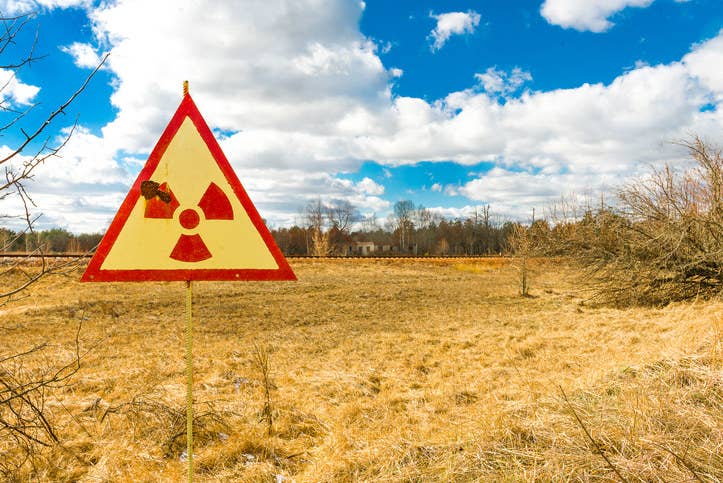
On April 26, 1986, as we all know, the accident at the Chernobyl nuclear power plant caused what is probably considered the greatest "accidental" ("unintended"—everything always in quotation marks😂) disaster to date.
What we probably don't know—or rather, what you don't know—is that the Zaporizhzhia nuclear power plant was built starting in 1980 and brought into operation between 1984 and 1986, right around the time of the camel😂—oops, Chernobyl.
And what you don't know, among the hundreds of thousands of other things😂, is that for at least 10 years, Zaporizhzhia has been described as an old power plant that is expensive to maintain (for the non-believers😂, I'm copying the link to a video dated April 22, 2016: https://youtu.be/KBRW4BEWi6Q?is=7-JXJkDoHX3SNg7o).
Exactly as expensive to maintain were New York's Twin Towers, built between 1966 and 1973 and inaugurated that same year (April 4, 1973). Expensive also because, at that time, buildings were constructed using materials that were later considered carcinogenic, such as asbestos.
So we have 3 cases (the third one is coming soon😂, because otherwise this blog makes no sense, and I find that rather complicated😂, and I'm not even taking it into consideration😂😂😂) in which important structures have real problems and enormous maintenance costs.
We therefore have 3 cases in which these structures are more useful dead than alive😂.
Think about the consequences of these 3 situations.
In the case of Chernobyl, it was the final blow to the former Soviet Union, an event that also led, in 1991, to the corralito😂 (history repeating itself😂).
In the case of the Towers, apart from creating the perfect excuse to have an imaginary enemy, extraordinary restrictions on freedom began to be introduced as a result of that event.
In the case of Zaporizhzhia, the consequences will be even greater, especially for those of us (😂) who, through our politicians (bandits), are financing the person who will be responsible for the "tragedy."